A first-of-its-kind deployment: How thyssenkrupp automated a non-stop Mercedes engine line
Customer: thyssenkrupp for Mercedes
Location: Herrlisheim, France
Application: Dynamic bolt rundown
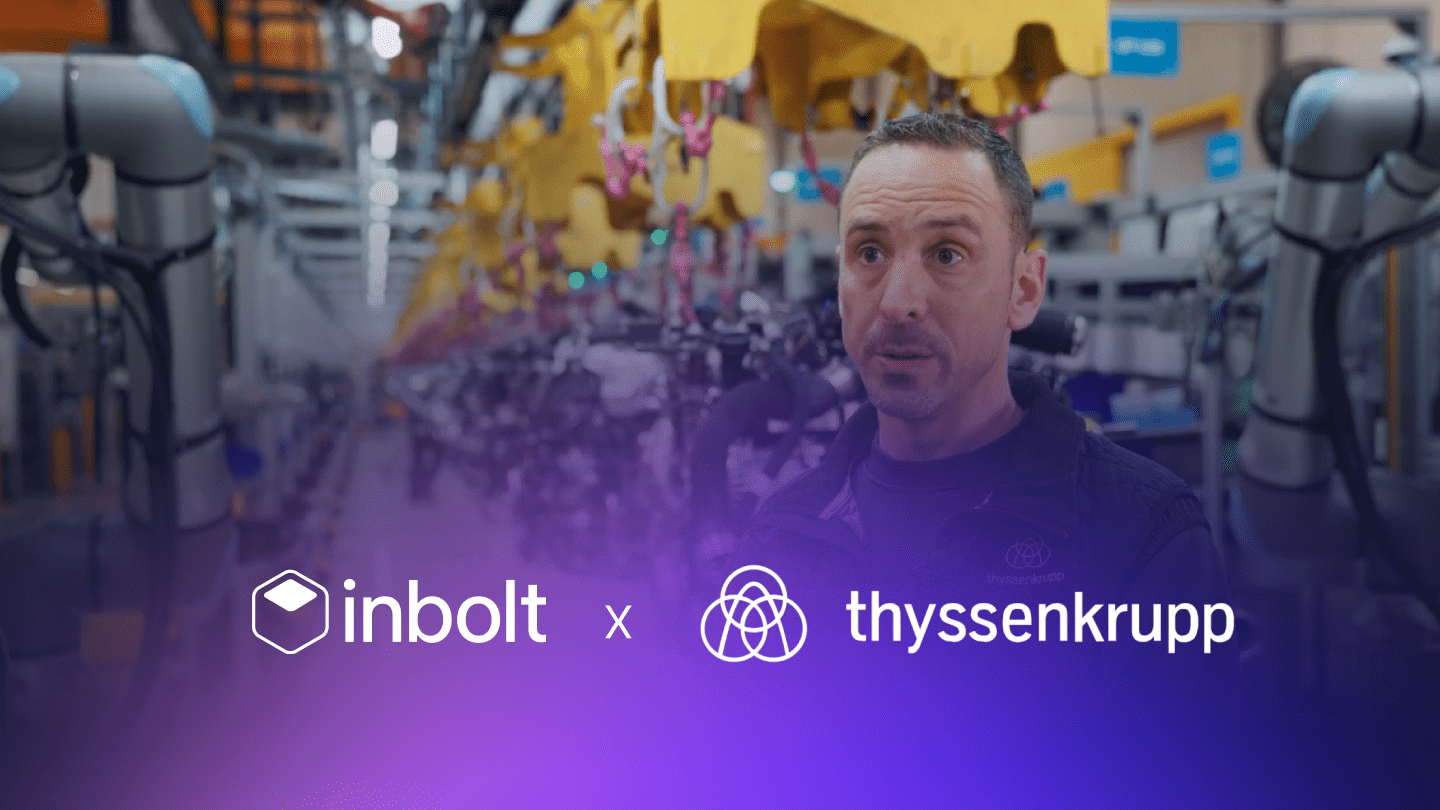
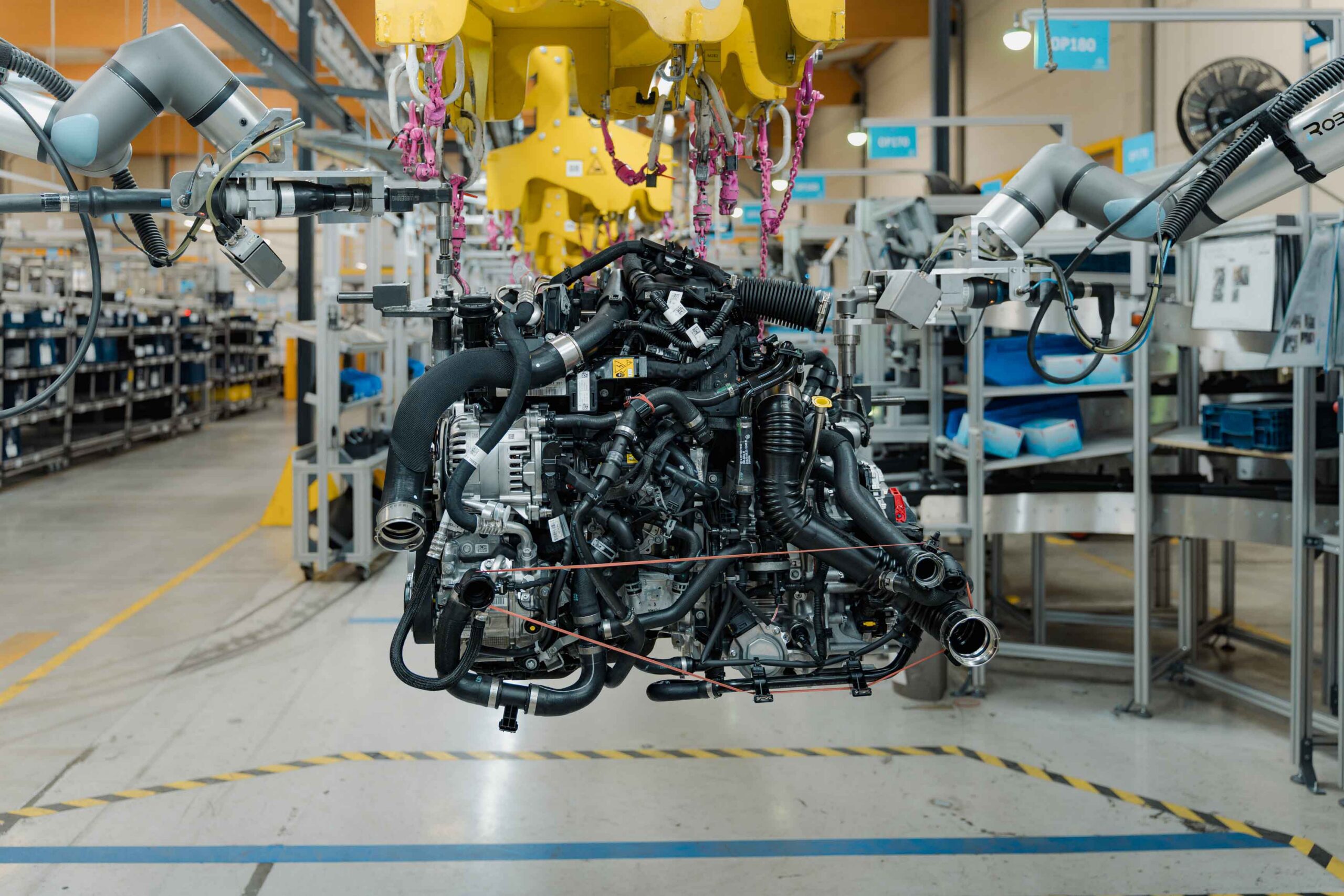
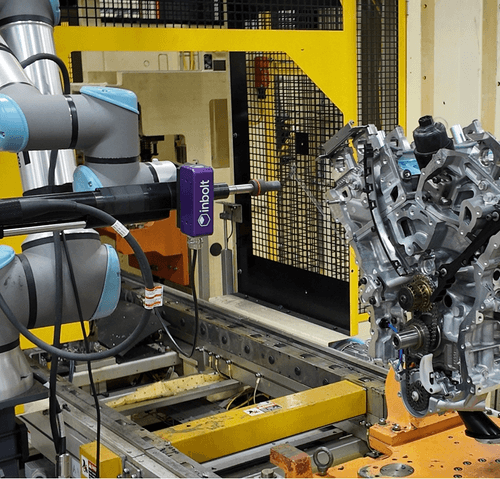
At its Herrlisheim site in France, thyssenkrupp produces Mercedes combustion engines on a chain-suspended line that never stops moving. The team needed to automate a manual screw-tightening operation on a continuously moving, swinging load — across six engine variants — without halting production. Believed to be the first deployment of its kind, the project uses Inbolt’s 3D vision guidance to track the engine in real time, relieving operators of an ergonomically punishing task and pushing non-conformity below 1%.
Background and challenges
The Herrlisheim plant was purpose-built to handle Mercedes combustion engine production. Gilles Gaeng, Technical and Production Lead at the site, ran a station where engines moved continuously down the line, suspended from an overhead chain conveyor.
Three constraints made automation difficult. The line could not be stopped. Engines swung as they travelled along the chain. And six different engine variants ran through the same station, each with different attachment points. It is a deployment profile rarely, if ever, attempted in automotive powertrain assembly: real-time 3D tracking of a swinging, chain-suspended engine across multiple variants on a non-stop line.
The screw-tightening operation itself was previously carried out manually with a powered screwdriver. Operators worked with their arms raised and shoulders held up for long periods — a posture that became physically demanding shift after shift. thyssenkrupp wanted to remove that strain, but only if automation could keep up with a moving, swinging, multi-variant load.
Why thyssenkrupp chose Inbolt
Conventional 2D vision systems were a dead end. They could realign on the X and Y axes, but not in depth, and depth was exactly what a swinging, chain-suspended engine demanded. The team needed real-time tracking of the load in three dimensions.
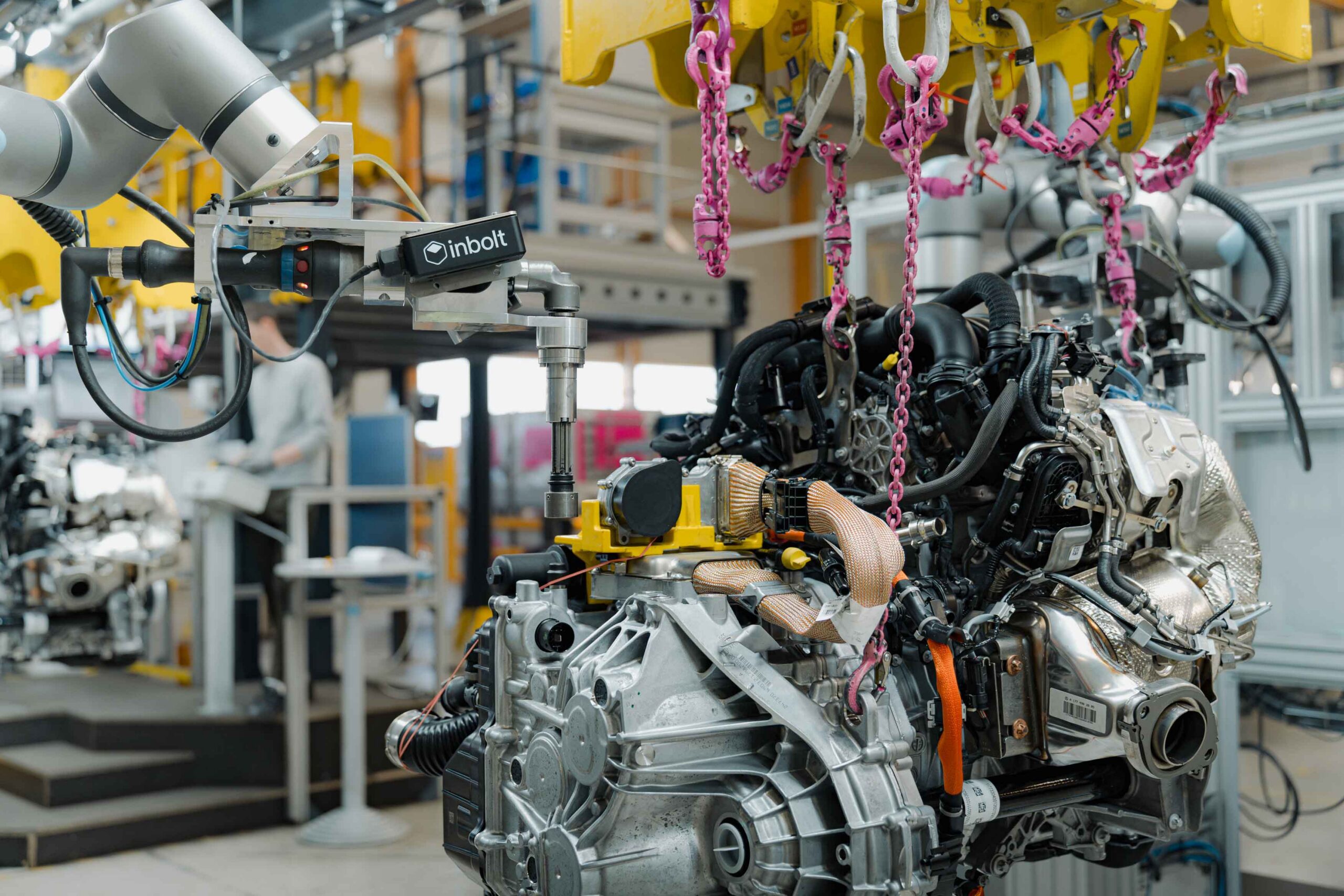
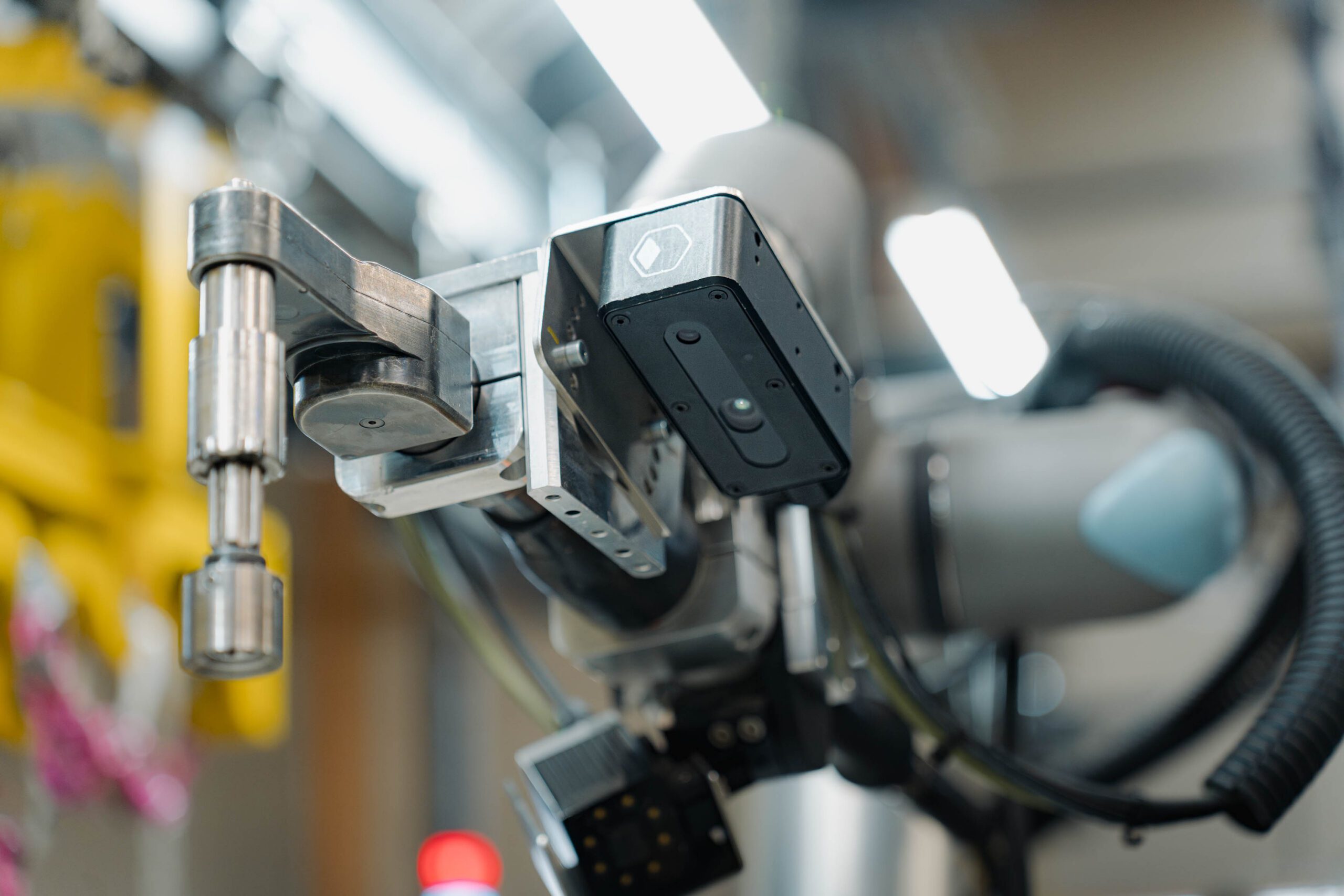
Inbolt’s 3D vision guided solution closed that gap. Working alongside integrator Robotindus, Inbolt deployed a system capable of tracking the engine live as it moved through the station, compensating for swing and variant differences without interrupting the line. Each issue raised during deployment was met with a fix programmed by Inbolt or Robotindus engineers.
Results
The station now runs automated tightening on a continuously moving line, across all six variants. The outcomes:
- Operators relieved of a physically demanding, non-ergonomic task
- Non-conformity rate on tightening below 1%
- Strong internal buy-in around the technology
For Gaeng, the technology has also opened the door to further automation. A third robot equipped with an Inbolt camera will be added to the station shortly. Within a few months, thyssenkrupp expects to expand the cell to four robots, combining tightening and quality control on the same moving line.
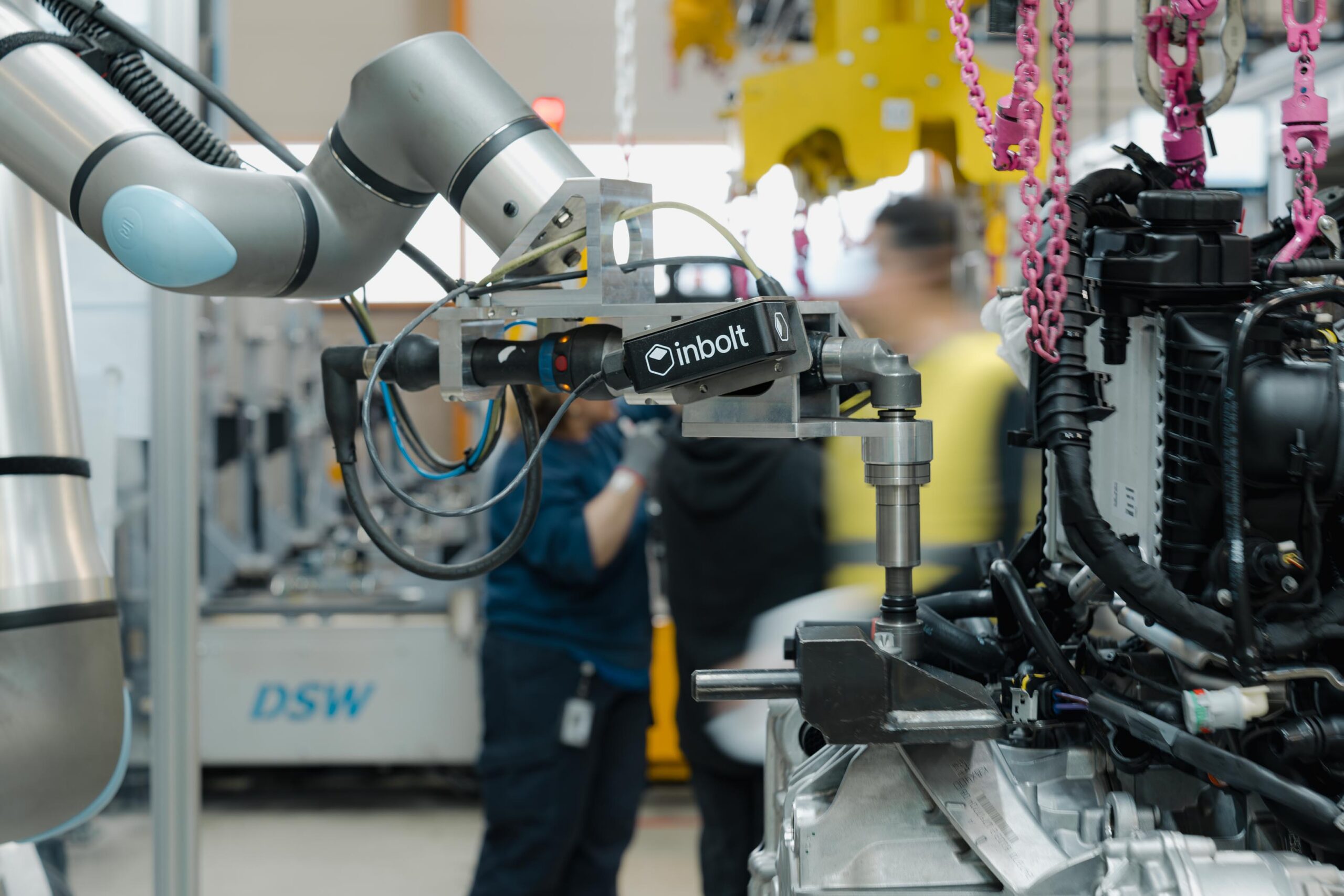
“Inbolt’s 3D camera solution gave us the answer we needed. We’ve taken the strain off our operators and we’re below 1% non-compliant tightening.”
Gilles Gaeng
Technical and Production Lead, thyssenkrupp
Explore more from Inbolt
Access similar articles, use cases, and resources to see how Inbolt drives intelligent automation worldwide.
Ford automates water shield installation on a moving EV assembly line with Inbolt
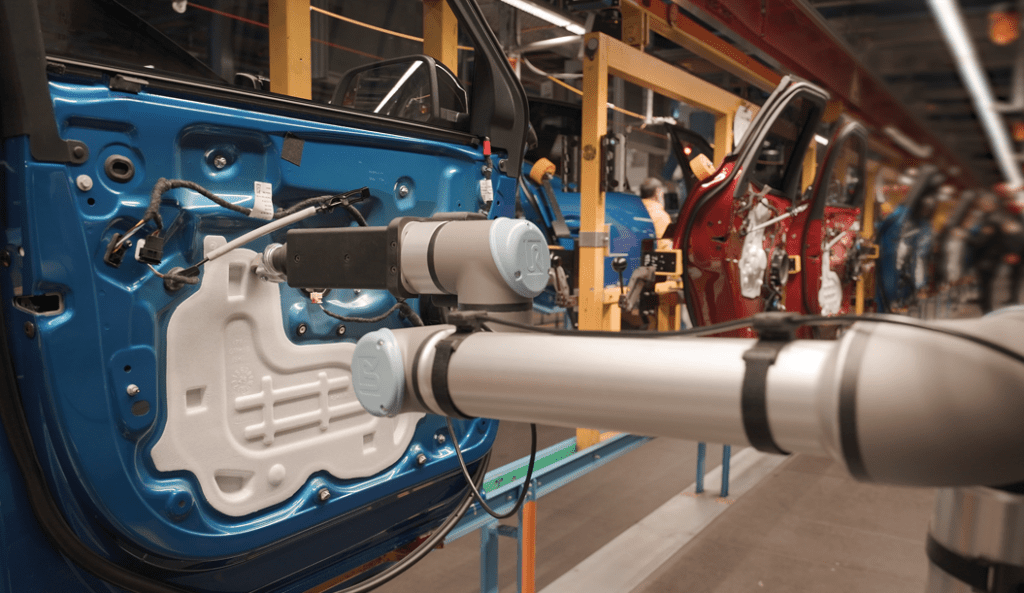
Automotive OEM enhances automation performance by leveraging Inbolt’s intelligent vision and organizational capabilities
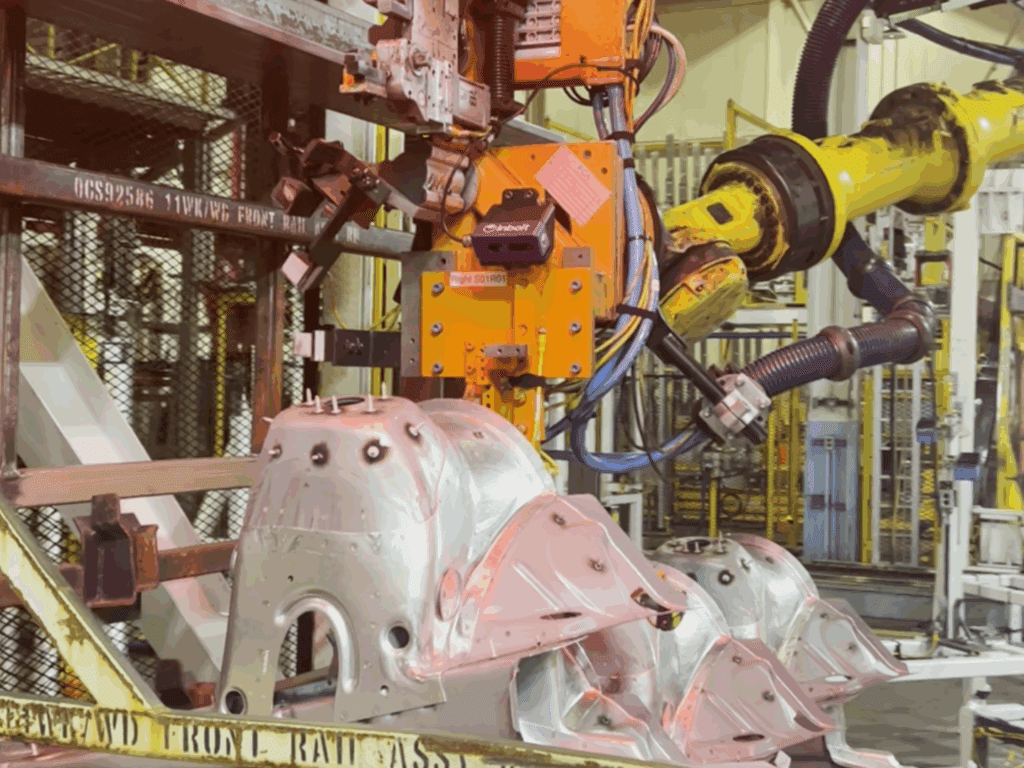
70% improvement in cycle efficiency for glue dispensing
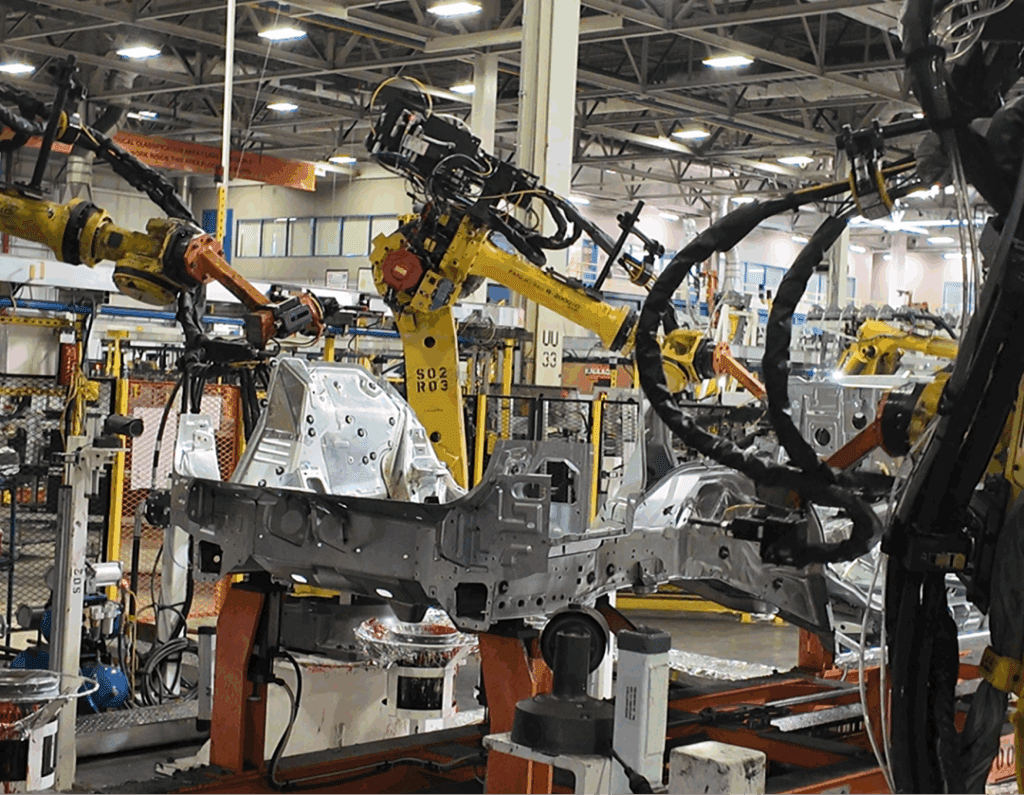
30% Cycle Time Reduction in Automotive Pick & Place
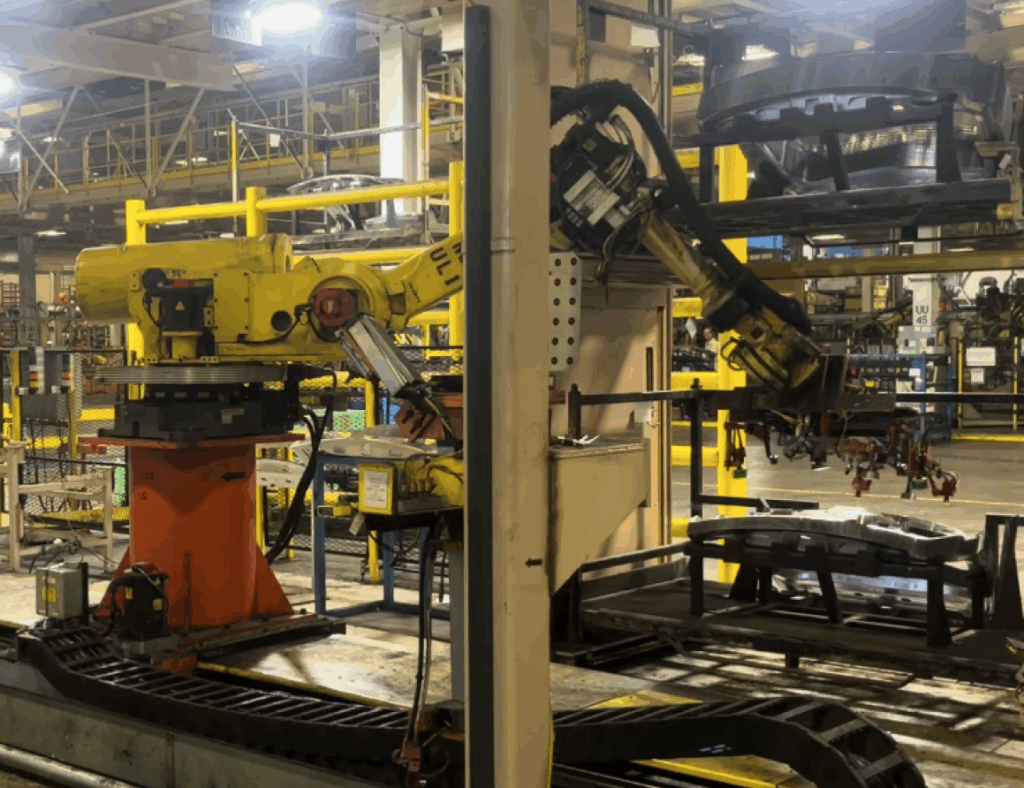
Stellantis Reduces Tightening Rejects by 91% with Inbolt’s Vision-Guidance at their Trenton Plant
Stellantis Valenciennes Cuts 2.7 Tons in Daily Handling with Inbolt’s Vision-Guided Automation
Stellantis Enhances Bodyshop Efficiency by 97% with Inbolt’s Vision-Guided De-Racking Solution